

AI-Powered Airfield Pavement Inspection: Screen Often, Go Deep Where It Matters — Streamap at the 2nd International Conference on Sustainable Airport Pavement Management
 0
 Oct 27, 2026
The 2nd International Conference on Sustainable Airport Pavement Management was co-hosted by Changi Airports International (CAI) and the Pavement Engineering Society (PES) Singapore, with support from Changi Airport Group and the National University of Singapore.
At the conference, Alex Chen, International Marketing Manager at Streamap, delivered a keynote presentation titled Advanced AI Inspection in Airfield. Over the two-day event, a shift in industry priorities became increasingly apparent. Airport operators are no longer asking simply whether AI can identify pavement defects. Instead, they want to know whether it can support daily operations, operate cost-effectively, and turn inspection findings into actionable maintenance decisions.
Streamap's approach is to turn routine vehicle patrols into continuous surface screening through vehicle-mounted AI vision. By using cost-effective, high-frequency inspections to cover large pavement areas, airports can identify potential defects early and direct high-precision inspection resources to where they are needed most.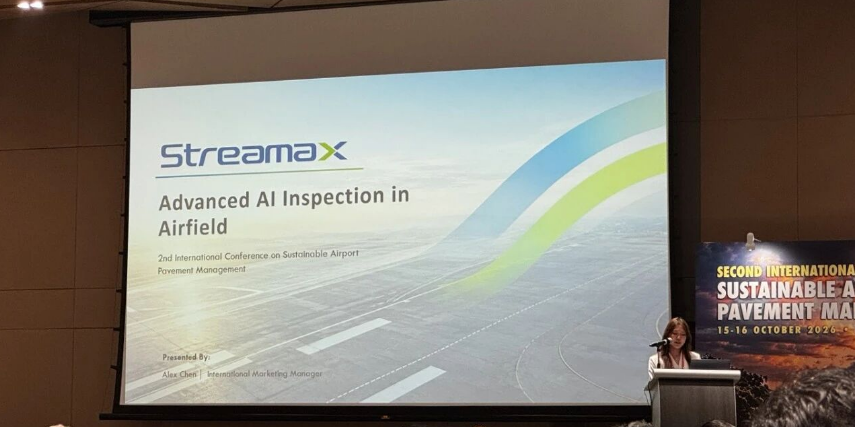
Fig. 1. The 2nd International Conference on Sustainable Airport Pavement Management
PART 01 — Airfield Pavement Inspection: The Challenge of Limited Inspection Windows
At major airports, where flight schedules are tightly packed, pavement inspections must fit into the limited gaps between aircraft movements. Daytime inspection windows may last only tens of minutes, while nighttime access typically extends to just a few hours. With runways spanning approximately 60–70 meters in width, achieving full coverage within these short windows is a considerable challenge.
Routine inspections rely heavily on personnel driving along the pavement and identifying defects through visual observation. Vehicle speeds are typically kept below 20 km/h, as small defects become harder to identify reliably at higher speeds. Detection can also be affected by glare, low-light conditions, and human fatigue.
For more detailed inspections, airports may use professional equipment such as Laser Crack Measurement Systems (LCMS). These systems can capture pavement details at millimeter-level resolution, but their coverage per pass is relatively limited. For example, laser scanning may cover less than 5 meters per run, requiring multiple passes to inspect a full runway at a higher operational cost.
This creates a gap between routine patrols and high-precision inspection. Meanwhile, pavement defects can develop and deteriorate between inspection cycles. By the time they become visible or require intervention, the affected area and associated repair costs may have increased significantly.
PART 02 — High-Frequency Screening: Making the Most of High-Precision Inspection Resources
Lightweight, High-Frequency Surface Screening
Streamap's approach is to turn routine vehicle patrols into continuous surface screening through vehicle-mounted AI vision. By using cost-effective, high-frequency inspections to cover large pavement areas, airports can identify potential defects early and direct high-precision inspection resources to where they are needed most.
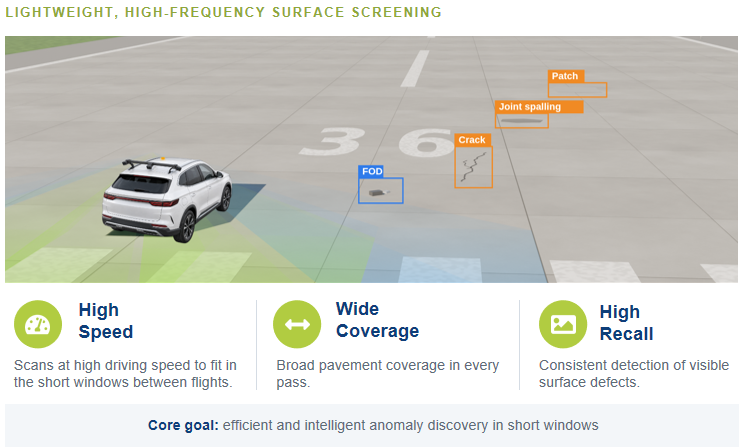
Fig. 2. Lightweight, High-Frequency Surface Screening
Screen often. Go deep where it matters.
Initial screening focuses on identifying potential defects, classifying them, and recording their locations and supporting image evidence. High-precision inspection is then directed towards flagged areas for detailed measurement and further assessment.
To make this approach practical for airport operations, the screening system needs to deliver three key capabilities:
· High Speed: Conduct inspections at normal driving speeds of up to 80 km/h, allowing them to fit into the short windows between aircraft movements.
· Wide Coverage: Capture a broad pavement area in every pass, improving inspection efficiency.
· High Recall: Consistently identify visible surface defects through automated AI recognition.
Streamap's airfield pavement solution uses three vehicle-mounted RGB cameras: one rear-facing camera and two side-facing cameras directed to the left and right. By combining these three views, the system achieves a swept width of approximately 12 meters in a single pass, based on a roof-mounted installation at a vehicle height of approximately 1.9 meters.
This enables broad pavement coverage during routine patrols without requiring dedicated full-runway inspection operations.
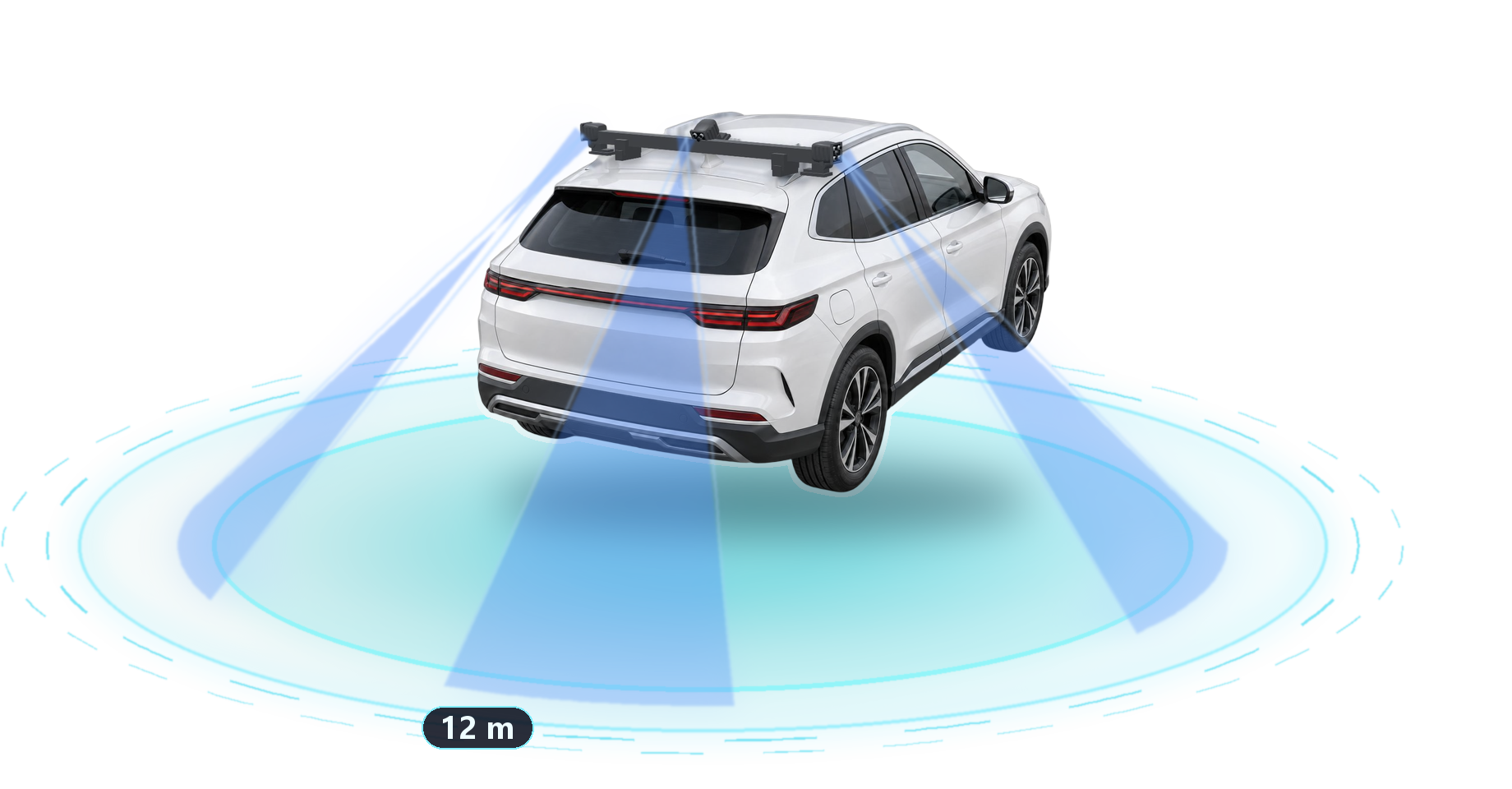
Fig. 3. Camera Installation and Pavement Coverage
PART 03 — From Detection to Action: Integrating Screening with High-Precision Inspection
The value of lightweight screening lies not simply in identifying defects, but in making subsequent inspection and maintenance more targeted and efficient.
Once potential defects are detected, the system generates defect candidates, each accompanied by its location, image evidence, category, confidence score, suggested alert level, and inspection details.
The airport team can then review and prioritize these findings based on their urgency:
· Urgent — Act Now: Serious defects requiring immediate attention are escalated promptly for investigation and repair.
· Schedulable — Inspect in Depth: Other findings are recorded in a target list, with coordinates and supporting evidence, to guide subsequent high-precision inspection.
During the next available extended inspection window, such as overnight, specialist equipment like LCMS can focus on these flagged areas for precise measurement and below-surface checks.
Accurate positioning also allows inspection teams to return directly to previously identified locations and track how individual defects evolve across multiple patrols. Rather than treating every detection as a new finding, the system can match repeated detections to the same defect record, creating a continuous inspection history.
In this way, lightweight AI screening provides broad and frequent surface coverage, while high-precision inspection delivers detailed measurements and analysis where needed. Together, they form a more targeted and efficient airfield pavement inspection workflow.
PART 04 — Looking Beneath the Surface: What Thermal Imaging Can Reveal
While RGB-based inspection focuses on visible surface defects, thermal imaging offers another way to investigate pavement conditions that may not be apparent from visible-light images alone.
At the exhibition, Streamap also showcased its dual-spectrum intelligent camera, which integrates visible-light and thermal-infrared imaging.
The underlying principle is that different pavement materials and physical conditions can have different thermal properties, affecting how they absorb, store, and release heat. A defect or moisture condition beneath the pavement surface may influence the temperature distribution above it, even when the underlying condition cannot be directly observed.
By combining visible-light and thermal-infrared information through AI, the system can analyze temperature patterns and identify unusual thermal signals that may indicate potential subsurface defects.
One promising application is the identification of moisture-related conditions. For example, water trapped inside or beneath pavement cracks may cause the affected area to heat up or cool down at a different rate from the surrounding pavement, creating detectable temperature anomalies.
Although thermal imaging does not directly reveal the structure beneath the pavement, these temperature patterns can provide additional clues about potential subsurface conditions, particularly trapped moisture or water within or beneath pavement cracks, and help guide further investigation.
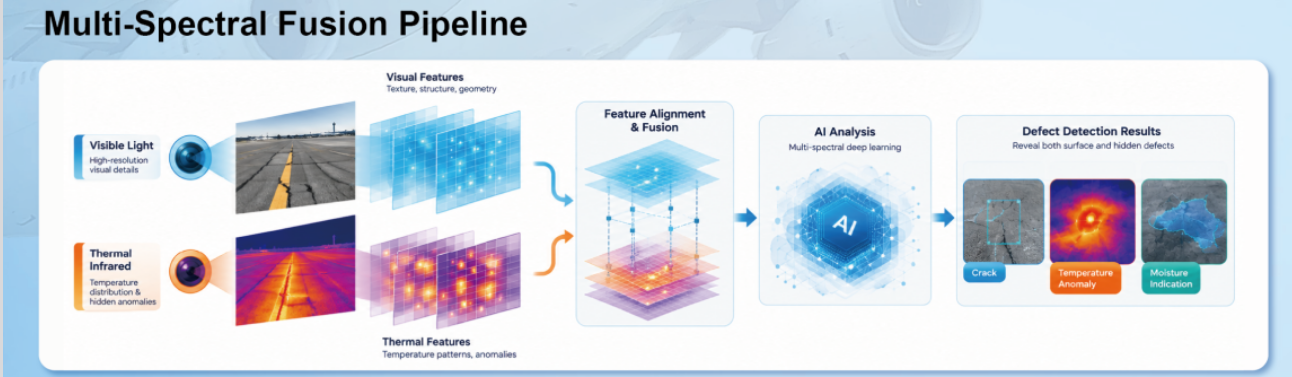
Fig. 4. Dual-Spectrum Imaging and AI Fusion
PART 05 — A Shift in Industry Priorities: From Detection to Integration
Streamap's solutions also attracted considerable interest from industry professionals at the exhibition. Their questions focused less on detection accuracy and more on practical implementation: How can the equipment be installed on existing inspection vehicles? Can detection records be integrated directly into maintenance planning?
The conversation has shifted from “Can AI identify defects?” to “How can AI become part of existing inspection and maintenance workflows?” This is precisely the thinking behind Streamap's approach.
What airports need is not simply another algorithm capable of identifying pavement defects, but an operational workflow that can run consistently over the long term and integrate with existing pavement maintenance systems.
By combining frequent, lightweight screening with targeted, high-precision inspection, Streamap aims to help airports achieve broader coverage, more reliable defect identification, and more efficient inspection operations.
Screen often. Go deep where it matters. This is the inspection model Streamap is advancing for the future of AI-powered airfield pavement management.
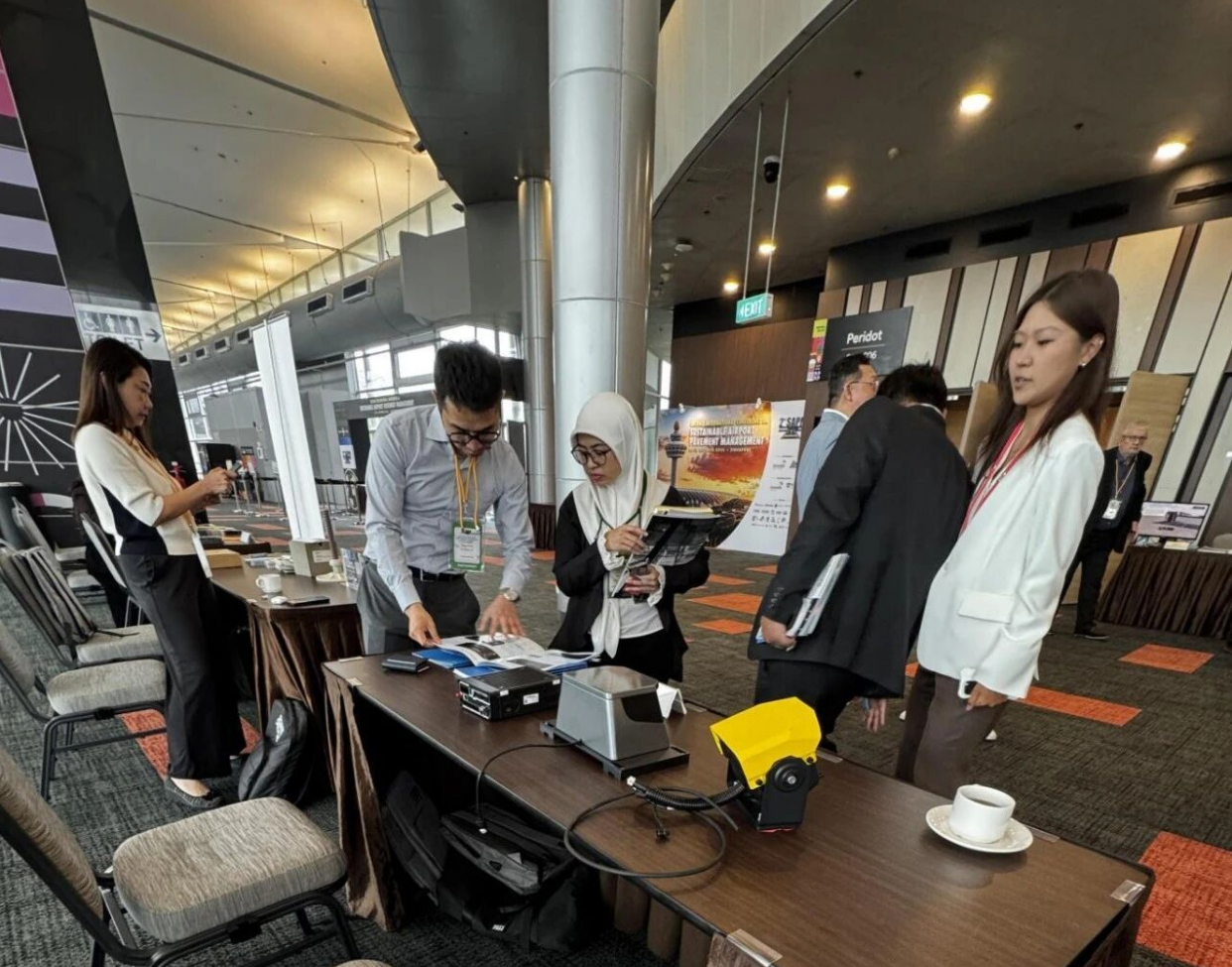
Fig. 5. Discussions and Exchanges During the Conference